CureSureMedico
|
EN

Post-Stroke Rehabilitation

Rehabilitation

payments

Starting from

$1,500

Up to $5,000 depending on centre

schedule

Typical duration

21–90 days

Including pre-operative work-up

arrow_downwardlocal_hospital

Partner hospitals

1

Vetted for outcome data & accreditation

Dr. Rodina Ainasoa

Content reviewed for medical accuracy by: Dr. Rodina Ainasoa · Medical Content Writer & Health Communications

Overview

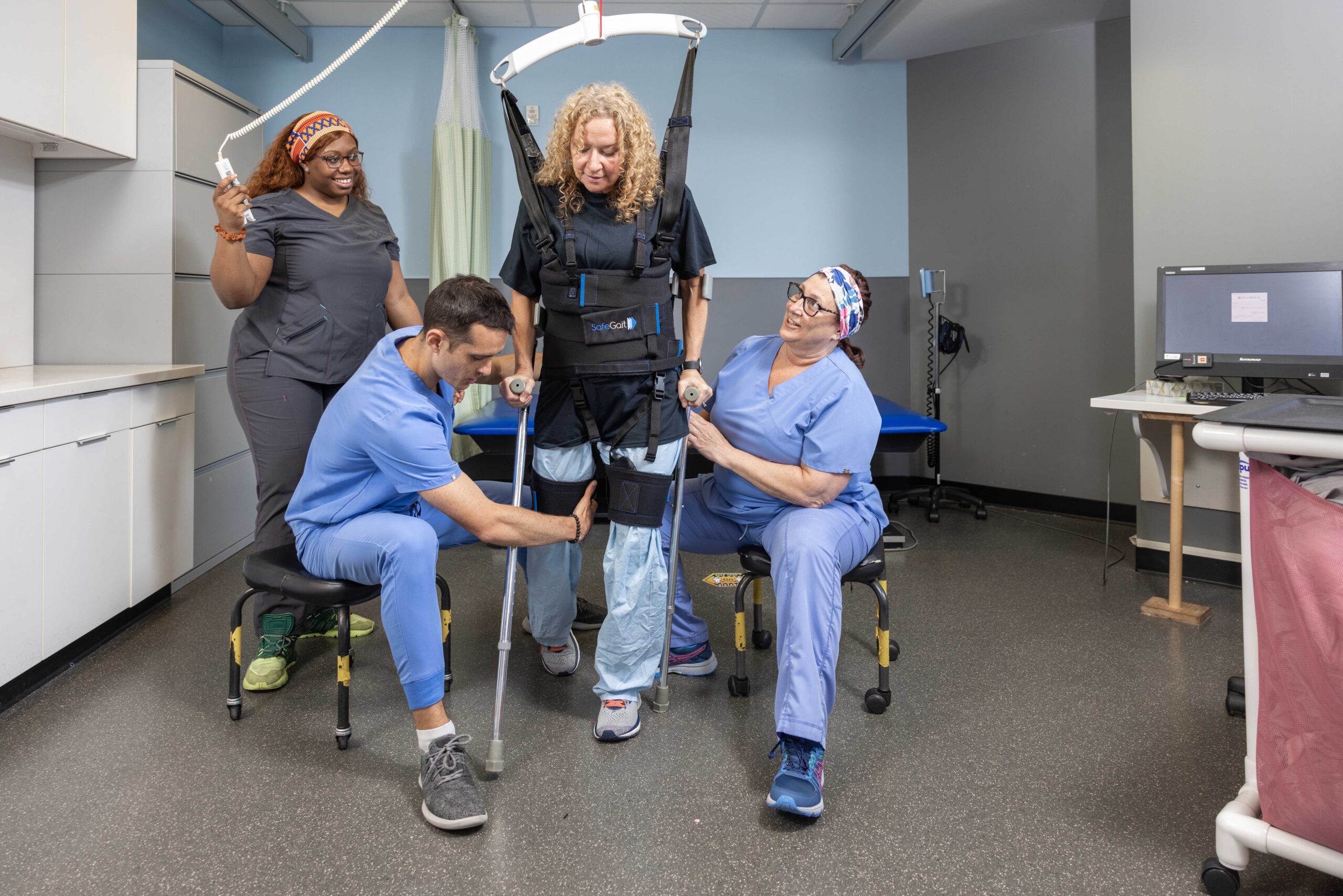
Intensive, multidisciplinary stroke rehabilitation combining physiotherapy, speech-language therapy, occupational therapy, and neuropsychological support to maximize functional recovery after stroke. India, Turkey, and Thailand offer dedicated neuro-rehabilitation units with evidence-based programs that deliver measurable outcomes at 50–70% lower cost than Western facilities.

Your case is matched to a centre on the basis of clinical outcome data, not marketing. We coordinate every step — from pre-operative work-up to post-treatment follow-up — with a dedicated care coordinator.

What's included

Neurologist and physiatrist initial assessment and goal-setting
Daily physiotherapy sessions (neurological and motor retraining)
Speech-language therapy for aphasia, apraxia, or dysphagia
Occupational therapy for daily living skills and upper limb recovery
Cognitive and neuropsychological rehabilitation sessions
Bilingual rehabilitation coordinator and caregiver coaching

Post-Stroke Rehabilitation

Coordinated from

$1,500

or message us on WhatsApp

No commitment required. Your data is never shared with third parties.

Conventional Therapy vs. Robot-Assisted Gait Training

Stroke rehabilitation is built around conventional physiotherapy and occupational therapy, and at some centres this is supplemented with robot-assisted gait training. Here is how the two compare.

ParameterConventional Physical & Occupational TherapyRobot-Assisted Gait Training (adjunct)
How therapy is deliveredHands-on physiotherapy and occupational therapy sessions guided by a therapist, using manual facilitation, task-specific practice, and progressive mobility training.A robotic exoskeleton device supports the legs and guides stepping patterns on a treadmill, used alongside — not instead of — conventional therapy sessions.
Published evidenceA well-established evidence base; intensive, task-specific conventional therapy remains the backbone of stroke rehabilitation recommended by clinical guidelines.A 2024-2025 systematic review and meta-analysis of 23 randomized trials (907 patients) found robot-assisted gait training added to conventional therapy improved gait speed, balance, and daily-living function versus conventional therapy alone; other trials show comparable, not clearly superior, results, so evidence is still evolving.
Best suited forPatients at any recovery stage; adaptable to home-based and outpatient settings once travel is no longer required.Patients in the subacute phase, particularly those with more severe leg weakness who benefit from higher repetition than a therapist can provide manually.
AvailabilityWidely available at essentially every rehabilitation facility.Limited to a smaller number of specialist rehabilitation centres due to equipment cost and infrastructure needs.
Overall role in recoveryThe foundation of stroke rehabilitation, regardless of whether robotic technology is also used.A supplementary tool to increase repetition and consistency of gait practice — current evidence does not support replacing conventional therapy with robotic training alone.

The Rehabilitation Programme: Step by Step

The steps below outline a typical multidisciplinary stroke rehabilitation programme. Your rehabilitation team will confirm the exact plan based on your functional assessment and recovery goals.

1

Initial functional assessment

A rehabilitation physician (physiatrist) and therapy team assess motor function, speech and swallowing, and cognition to establish a baseline and identify realistic goals.

2

Individualized therapy plan

Based on the assessment, the team designs a structured programme combining physiotherapy, occupational therapy, and speech-language therapy where needed, with short- and long-term goals.

3

Active therapy phases

Daily sessions of task-specific practice — gait and balance training, upper-limb retraining, activities-of-daily-living practice, and speech or swallowing therapy — delivered at an intensity matched to your tolerance, sometimes supplemented with robot-assisted or electrical-stimulation devices.

4

Progress reassessment

The team periodically re-evaluates function using standardized scales, adjusts the programme, and plans the transition to outpatient or home-based maintenance therapy.

Recovery Timeline

Recovery Timeline
First 1-3 weeks

Early intensive inpatient rehabilitation typically begins once medically stable; this period often shows the fastest gains, though the pace and extent vary significantly with stroke severity and location, per the American Stroke Association.

~3 weeks-3 months

The subacute phase, when neuroplasticity is greatest; most further mobility, hand-function, and speech recovery occurs during this window with continued structured therapy.

3-6 months

Gains typically slow and progress plateaus are common; therapy shifts toward consolidating function, compensatory strategies, and safe independence rather than large further neurological improvement.

Beyond 6 months

Further, generally smaller improvements remain possible with continued practice, especially with focused therapy, but recovery to full pre-stroke function is not guaranteed and outcomes vary widely between individuals.

Source: American Stroke Association; World Stroke Organization; Mayo Clinic; Cleveland Clinic. Individual recovery trajectories vary substantially and are guided by your treating rehabilitation team.

Known Risks & Limitations

  • Recovery of full pre-stroke function is not guaranteed; the degree of recovery depends heavily on stroke severity, location, and how soon rehabilitation begins, per the American Stroke Association.
  • Progress plateaus are common and expected at some point in the recovery process — a plateau does not necessarily mean recovery has ended, but further gains typically become smaller and slower.
  • Starting rehabilitation as early as medically safe is associated with better outcomes; unnecessary delays can reduce the benefit of the brain's early window of heightened neuroplasticity.
  • Mobility and gait training carry a real risk of falls, particularly for patients with impaired balance, sensation, or cognition; supervised practice and appropriate safety equipment are essential.
  • Families and patients should be given realistic, individualized expectations rather than guarantees — outcomes range from full functional recovery to persistent significant disability, and no clinician can promise a specific result in advance.

Source: American Stroke Association; World Stroke Organization; Mayo Clinic; Cleveland Clinic; peer-reviewed rehabilitation literature. No rehabilitation programme can guarantee a specific outcome; your treating rehabilitation team will review your individual case.

The CureSureMedico Care Pathway

Remote case review

Share your discharge summary, imaging, and current functional status with our coordination team for an initial review of rehabilitation readiness and suitability for travel.

Matching to an accredited rehab centre

We match you with a neuro-rehabilitation centre experienced in stroke care, including access to robot-assisted gait training where clinically appropriate.

Cost estimate and programme planning

We issue a consolidated cost estimate covering the multidisciplinary programme and help plan a realistic length of stay based on your rehabilitation goals.

Intensive therapy programme

You undergo daily physiotherapy, occupational therapy, and speech-language therapy as needed, with your caregiver coached alongside you in transfer techniques and home exercises.

Follow-up and continuity of care

Before you depart, your progress notes and home exercise programme are shared with your home-country rehabilitation team to support continued recovery.

Global cost comparison — Post-Stroke Rehabilitation

Average coordinated costs across our partner centres. Final pricing depends on clinical complexity and chosen hospital.

CountryAvg. costvs. cheapest
🇮🇳

India

New Delhi · Chennai · Bengaluru · Hyderabad · Mumbai · Kochi

Best value
$2,500
chevron_right
🇹🇷

Turkey

Istanbul

$3,500
chevron_right

Costs are indicative estimates and vary by procedure specifics, hospital, and clinical complexity. Request a personalised estimate for your specific case.

Partner hospitals

1 centres
View all hospitals
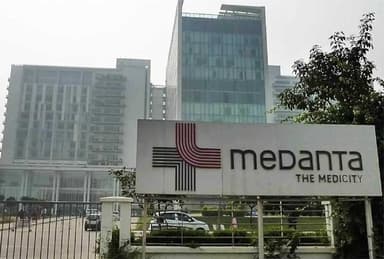
Medanta Hospital Gurugram Sector 14

Medanta Hospital Gurugram Sector 14

Gurugram, India

Medanta Hospital branch. Located in Delhi NCR, it serves Gurugram Sector 14 and surrounding areas. Established in 2022, it operates 250 beds with 100 doctors across cardiology, oncology, haematology, neurology, orthopaedics and fertility, holds NABH and NABL accreditation, and offers procedures including liver transplantation and living-donor liver transplant.

NABHNABL

100+

Specialists

250+

Beds

View Profile

Frequently asked questions

Neuroplasticity is greatest in the first 3–6 months after stroke, so starting intensive rehabilitation early significantly improves outcomes. However, patients must be medically stable before traveling — typically 2–4 weeks post-stroke for ischemic strokes with good initial recovery, and longer for hemorrhagic strokes or those with significant medical complications. Our medical advisors will review your discharge summary and current functional status to advise the optimal travel window. Even patients presenting 6–12 months post-stroke can achieve meaningful improvements with intensive programs, as neuroplasticity continues beyond the acute phase.

No fees. No commitment.

Our guidance is completely free

We are compensated by our partner hospitals — never by patients. You get independent clinical matching, cost transparency, and end-to-end coordination at no cost to you.

Message us on WhatsApp