
CureSureMedico
|
EN

Sickle Cell & Thalassemia Treatment

Hematology

payments

Starting from

$15,000

Up to $90,000 depending on centre

schedule

Typical duration

60–120 days

Including pre-operative work-up

arrow_downwardlocal_hospital

Partner hospitals

2

Vetted for outcome data & accreditation

Dr. Rodina Ainasoa

Content reviewed for medical accuracy by: Dr. Rodina Ainasoa · Medical Content Writer & Health Communications

Overview

Find curative treatment for sickle cell disease and thalassemia major through bone marrow transplantation, as well as expert disease management including hydroxyurea therapy, transfusion programs, and chelation. India's top hematology centers offer matched sibling and haploidentical BMT for these inherited blood disorders at a fraction of Western costs.

Your case is matched to a centre on the basis of clinical outcome data, not marketing. We coordinate every step — from pre-operative work-up to post-treatment follow-up — with a dedicated care coordinator.

What's included

Initial hematology consultation and HLA typing for transplant matching
Pre-transplant conditioning and disease assessment
Bone marrow transplant procedure and laminar air-flow room stay
Post-transplant monitoring, GVHD management, and engraftment support
Dedicated BMT coordinator, interpreter, and family accommodation guidance
Comprehensive discharge plan with home-country hematologist communication

Sickle Cell & Thalassemia Treatment

Coordinated from

$15,000

or message us on WhatsApp

No commitment required. Your data is never shared with third parties.

Global cost comparison — Sickle Cell & Thalassemia Treatment

Average coordinated costs across our partner centres. Final pricing depends on clinical complexity and chosen hospital.

CountryAvg. costvs. cheapest
🇮🇳

India

New Delhi · Chennai · Bengaluru · Hyderabad · Mumbai · Kochi

Best value
$20,000
chevron_right
🇹🇷

Turkey

Istanbul

$75,000
chevron_right

Costs are indicative estimates and vary by procedure specifics, hospital, and clinical complexity. Request a personalised estimate for your specific case.

Cost & recovery by procedure

This treatment category covers several different operations with different levels of invasiveness, recovery times, and costs. The country averages above blend all of them together — use the breakdown below for a more realistic, procedure-specific estimate.

Bone Marrow Transplant for Sickle Cell

An allogeneic (donor) bone marrow or stem cell transplant replaces sickle-cell-producing marrow with healthy donor stem cells, offering the only established cure for sickle cell disease. A matched sibling donor gives the best outcomes, though haploidentical (half-matched, e.g. parent) transplants are increasingly used when no sibling match exists; see the dedicated Bone Marrow Transplant treatment page for procedure-specific detail on conditioning regimens and donor workup.

Typical recovery · 2–4 months (engraftment + monitoring)

Hospital stay of roughly 4–6 weeks in an isolation/laminar-air-flow room during conditioning and engraftment, followed by close outpatient monitoring near the treatment center for another 4–8 weeks to watch for graft-versus-host disease (GVHD) and infection. Most centers recommend staying in-country for 2–4 months total before returning home for continued follow-up with the local hematologist.

India

$20,000–$35,000

Turkey

Estimate pending verification — ask your care coordinator for a current quote

Thailand

Estimate pending verification — ask your care coordinator for a current quote

Bone Marrow Transplant for Thalassemia

The same allogeneic bone marrow/stem cell transplant approach cures beta thalassemia major by replacing the patient's marrow, which cannot make normal hemoglobin, with matched or haploidentical donor stem cells — most effective when performed in childhood before iron overload and organ damage from repeated transfusions accumulate. As with sickle cell, see the dedicated Bone Marrow Transplant page for deeper procedure-specific detail.

Typical recovery · 2–4 months (engraftment + monitoring)

Similar course to sickle cell transplant: 4–6 weeks of inpatient isolation care during conditioning and engraftment, then 4–8 weeks of close outpatient follow-up for GVHD, infection, and graft-function monitoring before travelling home. Children transplanted early, before significant iron-related organ damage, generally have the best long-term outcomes.

India

$25,000–$35,000

Turkey

$36,000–$56,000

Thailand

Estimate pending verification — ask your care coordinator for a current quote

Hydroxyurea & Disease Management

Hydroxyurea is a daily oral medication that raises fetal hemoglobin (HbF), which interferes with the sickling process, reducing pain crises, acute chest episodes, and transfusion need for patients who are not undergoing (or are not yet eligible for) curative transplant.

Typical recovery · Ongoing / lifelong

Taken as a daily capsule or liquid, started at a low dose and titrated upward under specialist supervision; blood counts are checked roughly every 2 weeks during dose adjustment and every 2–3 months once stable, with HbF levels and organ function reviewed periodically. NHLBI guidelines support starting hydroxyurea from infancy (around 9 months) for sickle cell disease regardless of symptom severity, and treatment is continued indefinitely — benefits fade if the drug is stopped.

India

$20–$60 per month (medication + monitoring)

Turkey

Estimate pending verification — ask your care coordinator for a current quote

Thailand

Estimate pending verification — ask your care coordinator for a current quote

Transfusion & Chelation Program

Patients with transfusion-dependent thalassemia (or sickle cell patients on chronic transfusion protocols) receive regular red blood cell transfusions to manage anemia, paired with an iron chelator (oral deferasirox/deferiprone or infused deferoxamine) to remove the excess iron that repeated transfusions deposit in the heart, liver, and endocrine glands.

Typical recovery · Ongoing / lifelong

Transfusions are typically given every 2–4 weeks as an outpatient infusion, alongside daily oral chelation (or, for deferoxamine, infusions given 5–7 nights a week via a small pump) — oral agents have largely replaced infusional deferoxamine as first-line therapy because of far better adherence. Iron levels are monitored with periodic ferritin blood tests and MRI assessment of liver and cardiac iron, since under-chelation risks organ damage while over-chelation carries its own toxicity.

India

$100–$400 per month (transfusion + chelation)

Turkey

Estimate pending verification — ask your care coordinator for a current quote

Thailand

Estimate pending verification — ask your care coordinator for a current quote

Cost ranges are indicative estimates for international patients and vary with implant choice, number of levels treated, surgeon, and hospital. Request a personalised quote for your specific case.

Clinical detail: AAOS OrthoInfo, Mayo Clinic Health System, Cleveland Clinic. Cost ranges cross-checked across multiple independent medical-tourism sources per country where marked; ranges flagged "pending verification" could not be independently confirmed at the time of writing.

Partner hospitals

2 centres
View all hospitals
Amrita Hospital

Amrita Hospital

Faridabad, India

Asia's largest private hospital — 2,600 beds, 64 operation theatres, 81 specialties on a 130-acre campus in Delhi NCR. NABH & NABL accredited. Centres of excellence in oncology, cardiac surgery, BMT, organ transplantation, neurosciences, and IVF.

NABHNABL

800+

Specialists

2,600+

Beds

View Profile
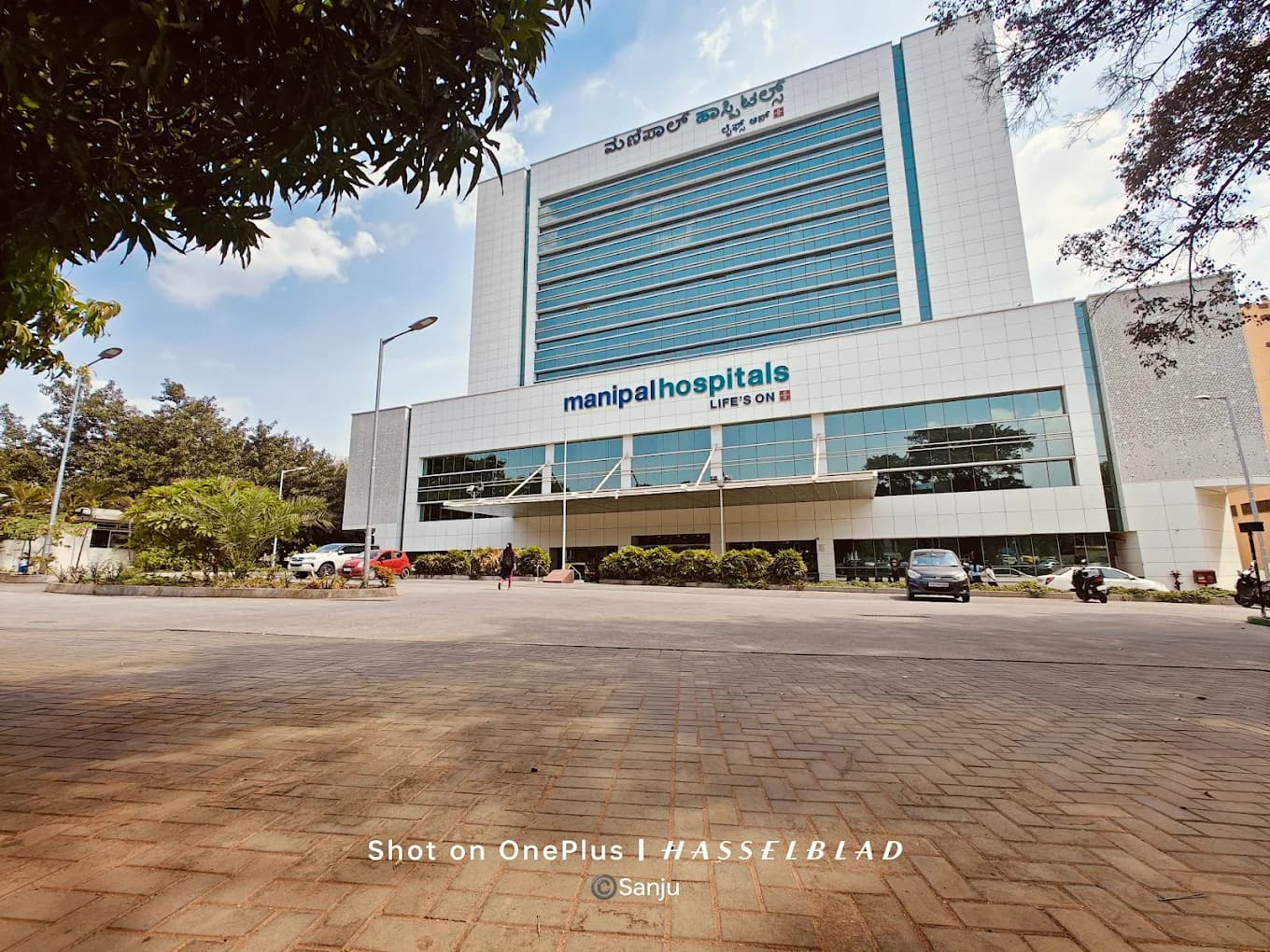
Manipal Hospital Old Airport Road

Manipal Hospital Old Airport Road

Bengaluru, India

Manipal Hospitals Old Airport Road is the flagship and founding campus of one of India's largest healthcare networks, established in 1991 on HAL Old Airport Road, Kodihalli, Bengaluru. Part of the Manipal Education and Medical Group (MEMG), the network spans 49 hospitals and 12,600+ beds across India. The Old Airport Road campus anchors the group's academic and clinical identity, housing specialist institutes including the Manipal Institute for Joint Replacement and Robotic Surgery (MIJRRS), the Manipal Robotic Spine Surgery centre (MIRSS), the Manipal Skull Base Institute (MSBI), and the Manipal Institute for Bariatric Surgery (MIBS). Its quaternary-level capabilities cover cardiology, oncology, neurosurgery, organ transplantation, orthopaedics, spine surgery, bariatric surgery, and paediatrics, all within a NABH and NABL accredited environment. The hospital provides dedicated international patient services through the Manipal Global network, with support for visa, travel, language, and end-to-end care coordination.

NABHNABL

264+

Specialists

600+

Beds

View Profile

Frequently asked questions

A matched sibling donor (MSD) gives the best outcomes and is the first choice, with cure rates exceeding 90% in children. However, if no matched sibling is available, our partner centers offer haploidentical (half-matched parent) transplants and matched unrelated donor (MUD) transplants, which have become increasingly successful with modern GVHD prophylaxis protocols. The receiving hematologist will review your child's clinical status, HLA typing, and available donors to recommend the most suitable approach. HLA typing can be arranged in your home country before travel to confirm donor availability.

No fees. No commitment.

Our guidance is completely free

We are compensated by our partner hospitals — never by patients. You get independent clinical matching, cost transparency, and end-to-end coordination at no cost to you.

Message us on WhatsApp